


News
PALMA SOLUTIONS JSC
UNDERSTANDING SOLAR PANEL DEGRADATION: A CRITICAL FACTOR IN LONG-TERM ASSET PERFORMANCE
In the financial modeling of renewable energy projects, the Degradation Rate is a pivotal variable that directly impacts both energy yield and the Return on Investment (ROI). Gaining a comprehensive understanding of the factors behind efficiency loss empowers businesses to take a more proactive approach to Operation and Maintenance (O&M).
1. The "Safe Threshold" of Performance Decline
According to data from the National Renewable Energy Laboratory (NREL), standard silicon-based solar panels experience an average annual degradation rate of 0.5% to 0.8%.
This trajectory implies that after 25 years, the system should ideally maintain over 80% of its rated capacity. However, in tropical regions characterized by high heat and humidity like Vietnam, this degradation can accelerate significantly if technical factors are not strictly monitored.
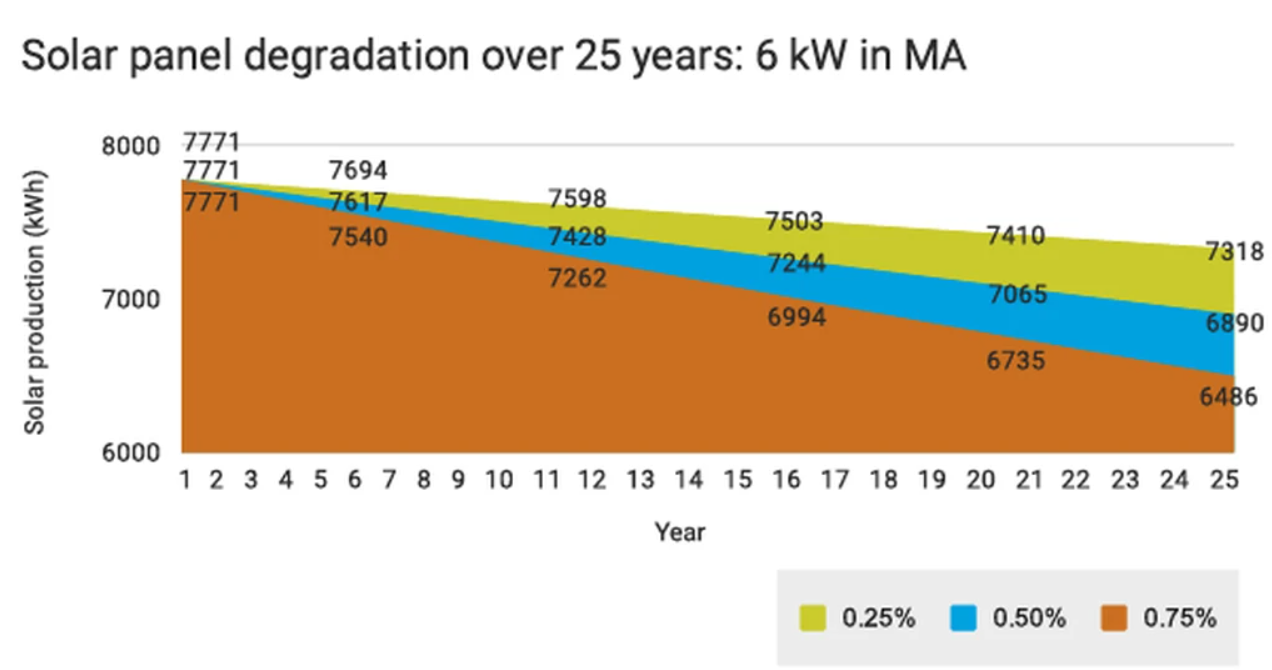
Figure: 25-year performance projection based on varying degradation rates (0.25%, 0.50%, and 0.75%).
2. Key Drivers of System Degradation
Performance decline is not merely a result of natural aging; it is driven by specific physical and technical phenomena:
+ Light-Induced Degradation (LID): Occurs during the initial hours of operation when photovoltaic cells are first exposed to solar radiation, typically resulting in a 1% – 3% loss of initial power. This is an inherent material property and is usually accounted for within manufacturing tolerances.
+ Potential Induced Degradation (PID): Representing the most severe technical risk, PID is caused by a significant voltage potential difference between the solar cells and the grounded aluminum frame. This leads to current leakage through encapsulation materials, which can slash power output by up to 30%, particularly in high-humidity environments or where grounding techniques are subpar.
+ Micro-cracks and Hot-spots: Minor structural damage within the cell-often caused by mechanical stress or improper cleaning-disrupts electrical pathways. This causes localized heat buildup (hot-spots) and accelerates component failure.
3. Mitigating Degradation through Advanced O&M
While degradation is an inevitable process, maintaining optimal system "health" is entirely achievable through professional intervention.
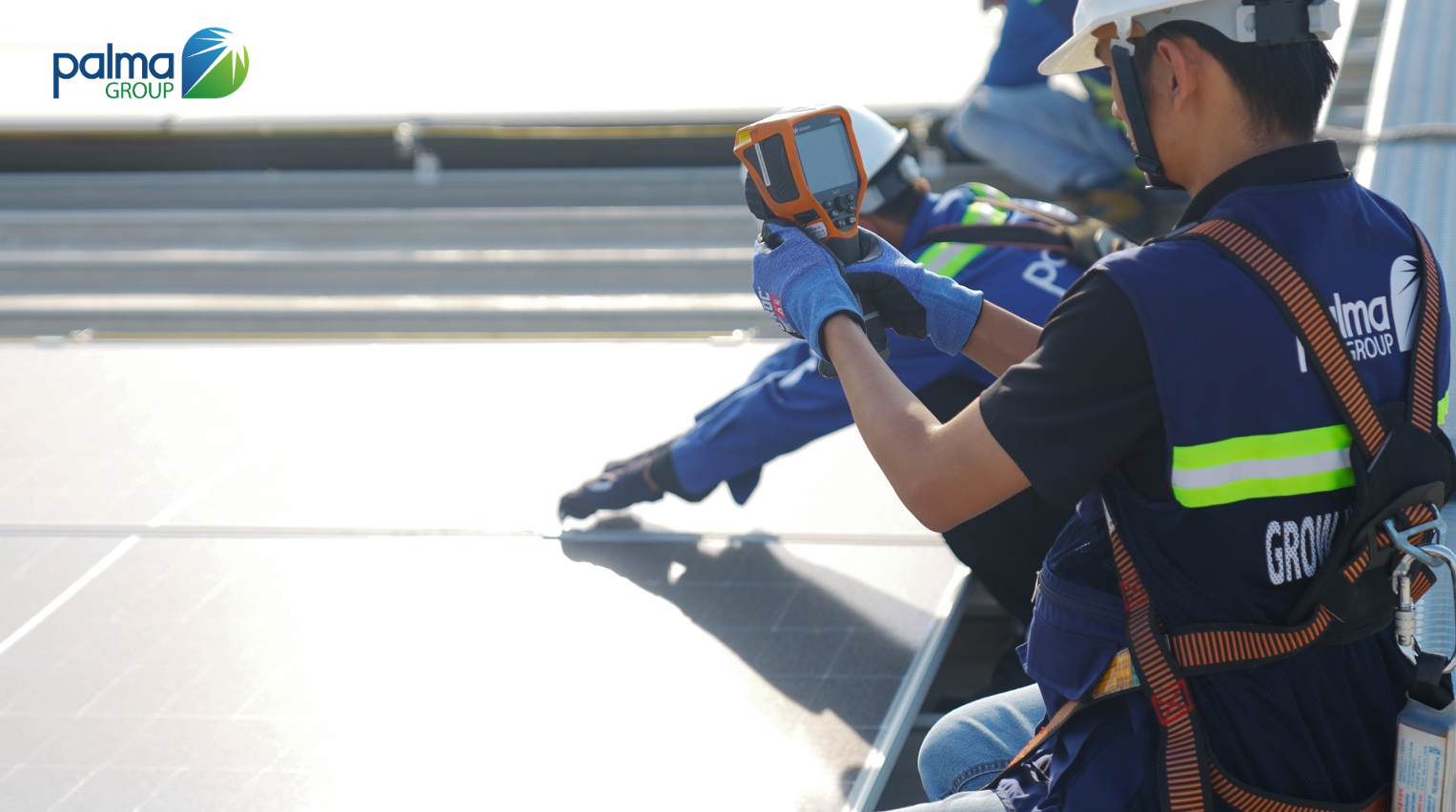
Specialized providers like Palma Group utilize rigorous periodic testing to mitigate these risks. Thermal imaging surveys for hot-spot detection, combined with routine insulation resistance testing, allow for the early identification of PID symptoms. Timely technical intervention not only protects the assets but ensures that the energy yield remains aligned with the business's projected financial roadmap.
Conclusion:
Performance loss is a technical reality, but the speed of that decline is dictated by the quality of operational management. Investing in standardized O&M processes is the most effective strategy for protecting assets and optimizing sustainable returns for investors.
16/03/2026 14:27:57
News other
_-08-01-2026-23-54-30.jpg "Why can the same solar technology deliver different performance across industrial plants?")

![[PALMA x NOVALAND] WORKSHOP ON MAINTENANCE AND SERVICING OF SOLAR LANDSCAPE LIGHT PLL-30 AT NOVA HILLS – MUI NE](https://www.palma.com.vn/upload/z3634653067260_15cb1f4d62b14f3a684fdf4ee9de4870_-11-08-2022-13-55-36.jpg "[PALMA x NOVALAND] WORKSHOP ON MAINTENANCE AND SERVICING OF SOLAR LANDSCAPE LIGHT PLL-30 AT NOVA HILLS – MUI NE")
_-06-02-2026-14-31-59.jpg "Understanding kWp and kWh: The First Step Toward Effective Solar Investment")
Search
Breaking news
_-24-10-2021-21-55-01.png "MicrosoftTeams-image (8)_-24-10-2021-21-55-01.png")
_-21-04-2022-13-38-01.png "PALMA SOLUTIONS JSC")
CONTACT US
MAP
Copyright © 2020 PALMA SOLUTIONS JSC
